
Why is it called die casting?
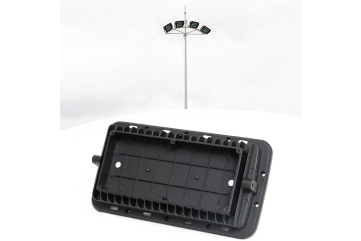
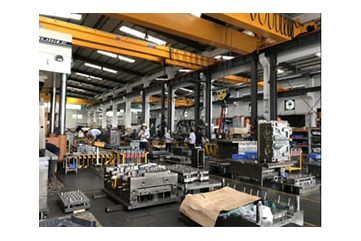
Die casting gets its name from the process it uses. In die casting, molten metal is injected under high pressure into a mold cavity, which is called a “die.” The term “die” comes from the fact that these molds are typically made from hardened tool steel, and “casting” refers to the process of shaping material by pouring it into a mold. Here’s a breakdown of the key components and steps in die casting:
Die:
The mold cavity into which the molten metal is injected. Dies are precision-made to create complex shapes and are typically crafted from high-quality steel to withstand the high pressure and temperatures involved in the process.
Casting:
The process of shaping material (in this case, metal) by pouring it into a mold and allowing it to solidify. In die casting, the casting process involves high pressure to ensure that the metal fills the entire mold cavity quickly and precisely.
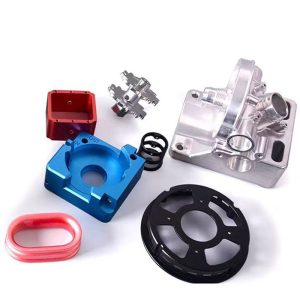
The combination of the die (the mold) and the casting process (shaping the metal) gives the method its name, “die casting.”